Study in Russia
Study in Russia from India: engineering, Master's and medicine.
Clear first-year costs, who is eligible and how admission works, explained honestly by people who live in Russia, with no guarantees we can't keep.
Why study in Russia
What studying in Russia gives you, for years to come
A few years of study can shape far more than a degree. Here is what students take with them, and what we help you plan for.
An international degree
Earn your Bachelor's, Master's or medical degree from a Russian university, and gain years of experience studying abroad.
A new language, for life
Russian is widely spoken across Russia and its neighbouring countries. Your first year gives you a skill that stays with you.
Independence that lasts
Living in a hostel, cooking for yourself and managing your own budget build the confidence that carries into every part of life.
A route many families find affordable
Many families find studying in Russia more affordable than other popular destinations such as the UK or Canada, and we lay out the numbers clearly.
Why RUSINDORG
What you get when you start with us
Know the route before you commit
We explain every step, from your first year to your degree, before you decide anything.
Partner universities in Volgograd and Tambov
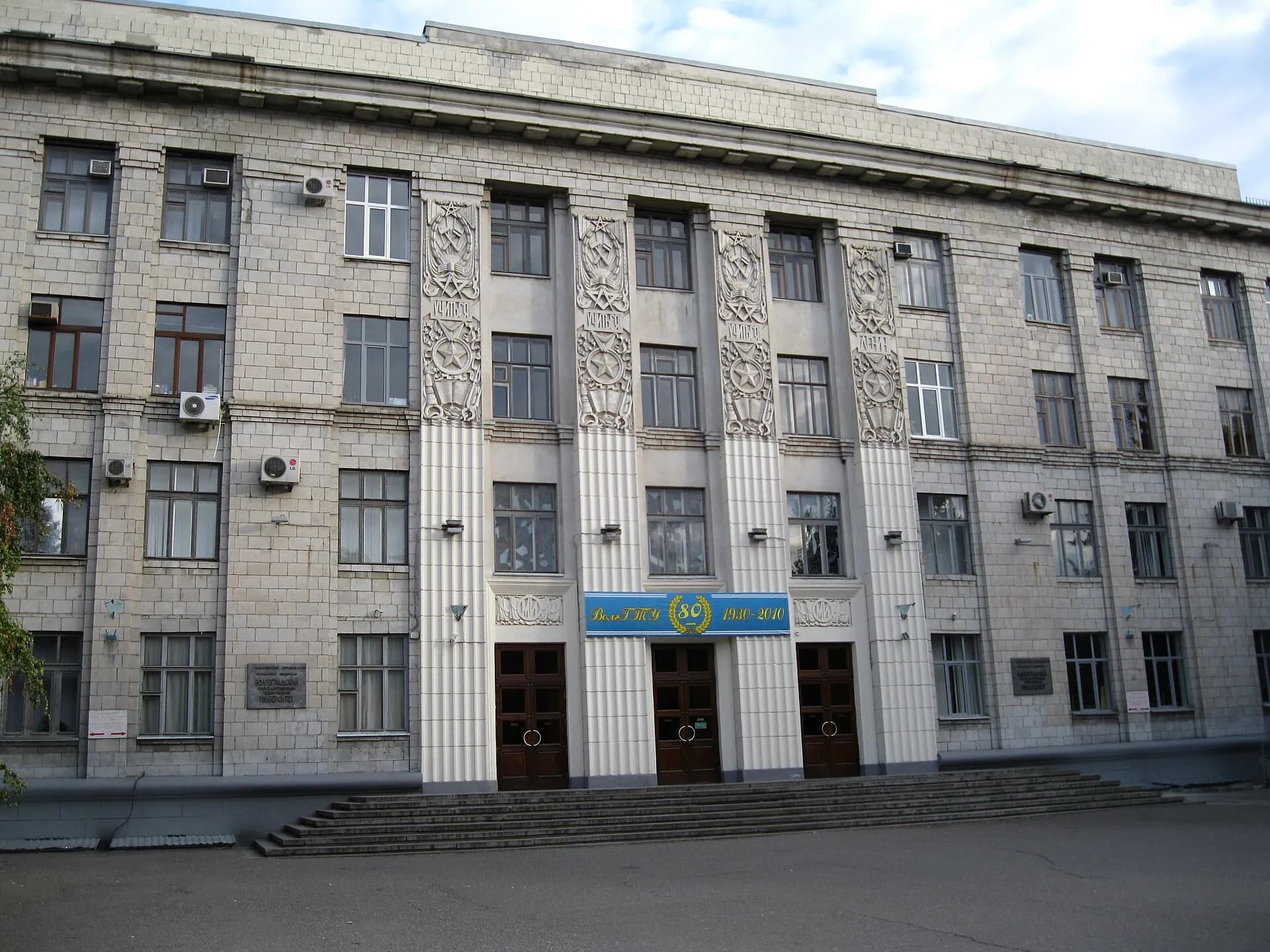
RUSINDORG is an official partner of Volgograd State Technical University and Tambov State Technical University, so you can ask us about either directly.
Guidance in Tamil and English
Talk to Haja or Ashmitha about hostel life, daily costs and settling in, in the language you are most comfortable with.
Watch before you decide
Haja and Ashmitha post real videos of everyday life in Russia on their YouTube channels. Watch them first, then ask us anything.
Official partners
RUSINDORG is an official partner of both universities below. Visit each university's own website for programmes and admission details. Admission decisions always rest with the university.
Volgograd
Volgograd State Technical University (VSTU)
Tambov
Tambov State Technical University (TSTU)
Engineering & Master's
Engineering and Master's programmes in Russia for Indian students
Studying engineering or a Master's in Russia gives you a degree from a Russian university, a new language and the confidence of living independently abroad.
Your journey begins with a one-year Russian-language foundation (₹3,50,000). It is the year you learn the language you will study and live in, settle into hostel life and prepare for your Bachelor's (about four years) or Master's (about two).
- Year 1Russian-language foundationLanguage and settling in
- ThenBachelor'sAbout 4 years
- OrMaster'sAbout 2 years
Year 1: Russian-language foundation
₹3,50,000
The foundation year before your Bachelor's or Master's
Good to know
- The Russian-language year is mandatory, and the language also helps with daily life.
- The language of teaching after that year depends on the programme, so we check yours.
- Admission decisions are made by the university, never by us.
Eligibility
- For a Bachelor's in engineering: completed higher secondary (10+2), usually with Physics, Chemistry and Mathematics.
- For a Master's: a recognised Bachelor's degree, usually in a related field.
- A valid passport.
- Marks and entrance requirements differ by university and programme. We check them for the course you choose.
Medicine (MBBS)
Studying medicine in Russia: MBBS for Indian students
Studying medicine in Russia is a serious, long-term investment in a career in medicine. The programme is demanding, and many Indian students look at Russia for it.
The first-year cost for medical courses is ₹5,50,000. Because Indian licensing rules matter so much, we walk you through them before you commit.
First-year cost
₹5,50,000
First year of a medical course
Good to know
- Medical programmes in Russia generally run about six years.
- To practise in India, graduates must pass India's licensing exam for foreign medical graduates. We explain how this works during consultation.
- Admission decisions are made by the university, never by us.
Eligibility
- Completed higher secondary (10+2) with Physics, Chemistry and Biology.
- NEET qualification. Indian students who want to practise in India after a foreign medical degree must qualify NEET-UG under National Medical Commission rules. Always check the current NMC guidelines.
- Meeting the university's minimum age and marks requirements, which vary by university.
- A valid passport and a medical check-up.
Budgeted separately, for both tracks
These are not included in the first-year figures above, so plan for them too.
- Hostel
- Medical check-up
- Medical insurance policy
Figures are indicative and can change by university and year. We confirm exact amounts in writing before you commit.
Hostel life
Hostel life and cooking for Indian students in Russia
Day-to-day life matters as much as the course. Here is what living in a Russian university hostel is usually like, including cooking for yourself.
Living in the university hostel
Most international students live in a university hostel (dormitory). We explain what to expect and how the application works before you travel.
Cooking for yourself
Hostels typically have shared kitchens where students cook their own meals. It is easier on the budget than eating out, and many students cook familiar food from home.
Finding what you need
Russian cities have supermarkets and markets with the basics. We share where Indian students shop for staples, spices and groceries.
A routine that builds you up
Shopping, cooking and managing your own budget become part of daily life, and a big part of becoming independent.
Hostel is budgeted separately from the first-year figures. We confirm exact amounts and arrangements in writing.
How it works
A clear path from question to campus
Enquiry & consultation
Tell us your goals; we talk you through realistic options.
Shortlist & eligibility
We help you understand requirements and shortlist courses.
Application & documents
Guidance on documentation and the application process.
Offer & preparation
Support as you prepare to relocate and begin student life.
Requirements for every programme
- A completed higher-secondary (10+2) education, with the subjects your programme needs.
- A valid passport.
- Academic and entrance requirements set by your chosen university and course.
- The documents your university and the Russian authorities ask for. We list them with you.
Student life in Russia
- Accommodation guidance and what to expect day to day.
- Transport, food and adapting to a new culture.
- A settled Tamil-speaking and international community.
Questions
Honest answers, before you ask
Tap a question to read the answer. Still unsure? Message Haja directly.
Education enquiry
Tell us about your plans
We'll get back to you to arrange a consultation. No obligation.